The Top Fitness Trends of 2026, Explained
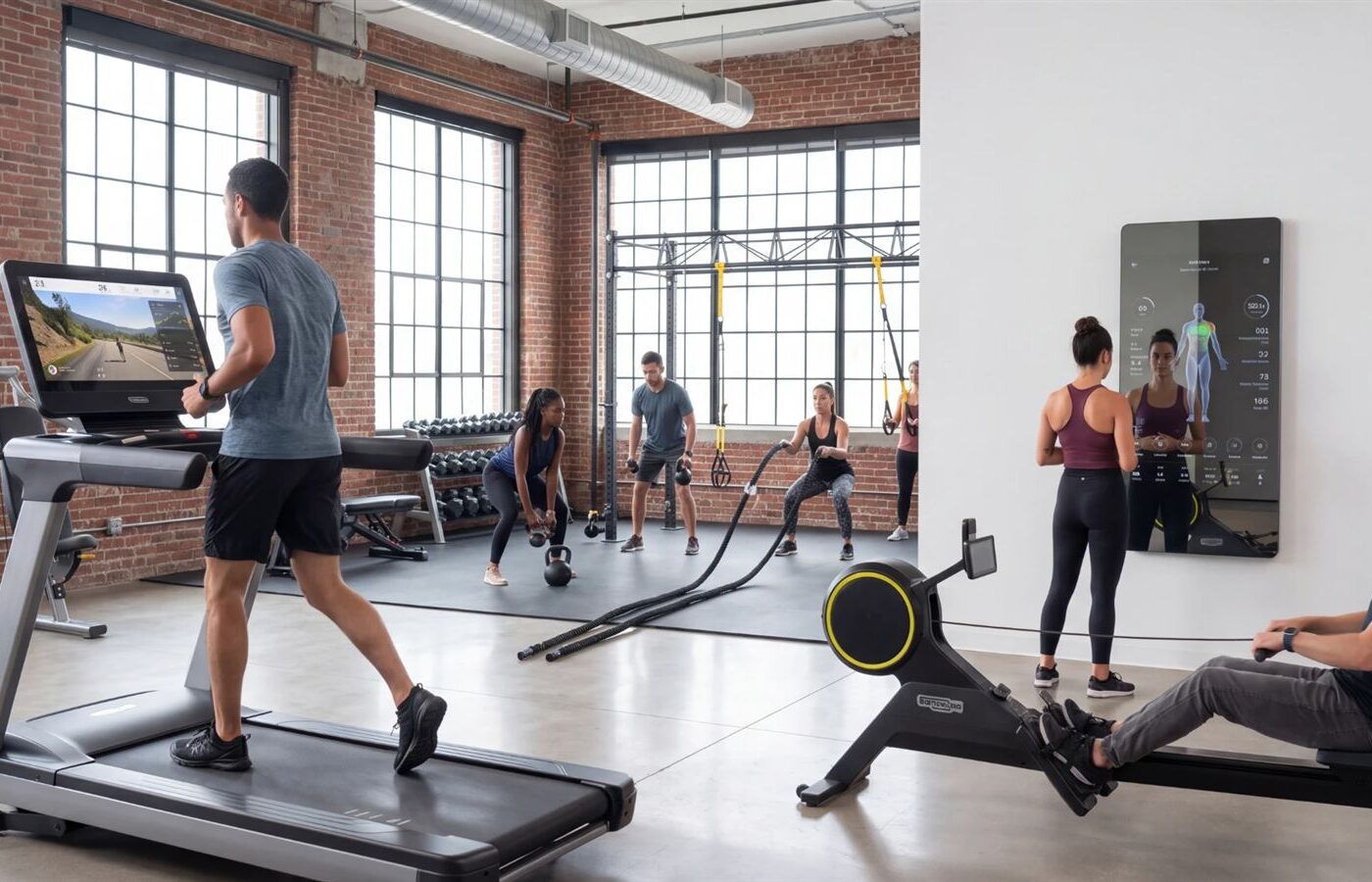
Every year the American College of Sports Medicine (ACSM) asks fitness professionals what is about to shape the industry, and the answers always tell us something about how the rest of us are trying to feel our best. The 2026 list, drawn from about 2,000 clinicians, researchers and exercise professionals and published in the November/December 2025 issue of ACSM’s Health & Fitness Journal, has a lovely message: technology is everywhere, and fitness is getting more personal, more social and more about how you feel than how you look.
We are covering it because ACSM broke the story, and you can read their full report. Here is the top ten, with a friendly take on each.
The top 10, ranked
- Wearable technology. Watches, rings and bands lead the list for the third year running. ACSM says nearly half of U.S. adults own a tracker or smartwatch, and advanced sensors now capture things like heart rhythm, fall detection and skin temperature. Before you trust every number on your wrist, take a peek at what a wearable can and cannot tell you.
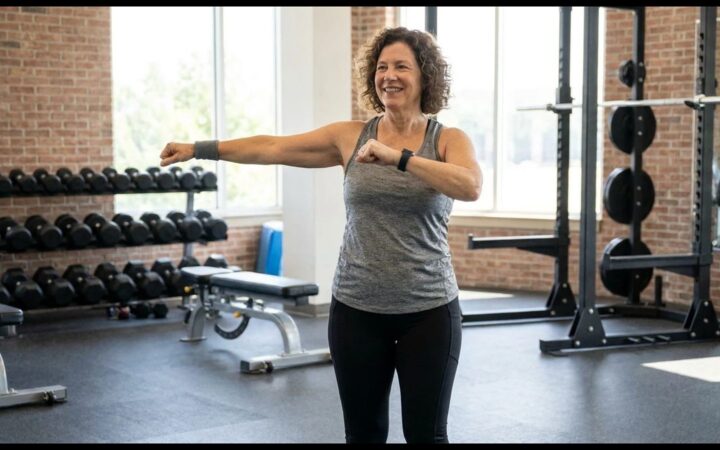
- Fitness programs for older adults. Evidence-based exercise for the fast-growing 65-and-over population, built around strength, balance and staying independent.
- Exercise for weight management. Physical activity as part of lasting weight outcomes, including for people who use weight-loss medications. Food matters here too, and we cover it in our protein explainer.
- Mobile exercise apps. Live-streamed or recorded workouts that fit in your pocket, handy if the gym is far away or your schedule is unpredictable.
- Balance, flow and core strength. Pilates, yoga and similar formats that put the emphasis on how you move rather than how much you lift.
- Exercise for mental health. Movement as a tool for stress and emotional well-being. It pairs naturally with practices like mindfulness.
- Traditional strength training. Free weights and resistance work for building strength and everyday function. It is the old reliable.
- Data-driven technology. Using biofeedback and personal data from wearables to tailor how hard you train.
- Adult recreation and sport clubs. Social, game-based fitness such as pickleball, and a first-time entry on the list.
- Functional fitness training. Exercises that mimic real-life movements, like lifting, carrying and getting up from the floor, so daily tasks feel easier.
Three themes behind the list
Technology is the through-line. Wearables, apps and data-driven training account for three of the ten spots. ACSM’s lead author said the question is no longer whether people will use wearables, but how to teach people to use them well. According to ACSM, more than 70% of wearable users already use their data to guide their exercise.
Health has overtaken aesthetics. Older adults, weight management and mental health all landed in the top ten. For many people the goal is no longer a particular look, but feeling capable, steady and well for as many years as possible. We love that.
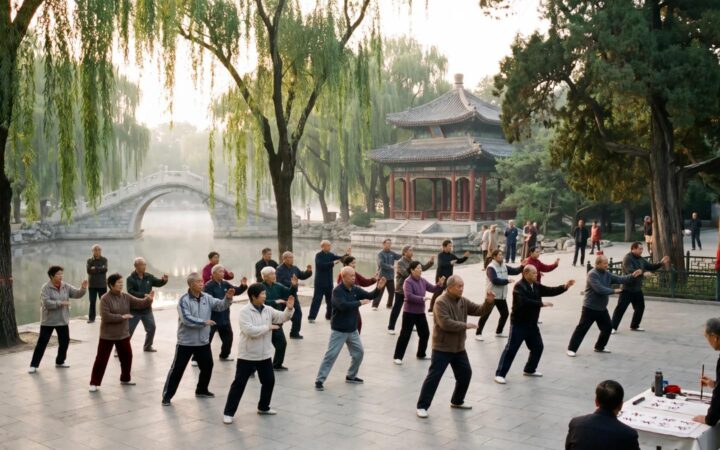
Fitness has become social again. The arrival of adult recreation clubs suggests many people want connection along with their cardio. If a friend has ever talked you into a pickleball game, you know how much easier it is to show up when other people are expecting you.
What this list is, and is not
This is a survey of professionals’ predictions about what will be popular, not a ranking of the workouts that work best. A trend can be hot without being right for you. If you are new to exercise, have a health condition, or are returning after a long break, your doctor can help you choose something safe. The best routine is usually the one you enjoy enough to keep doing.
If you would like to pair movement with food, our guide to building a balanced plate when your appetite is small is a good next read, especially if you take a medication that affects hunger.
Sources
- American College of Sports Medicine. Top Fitness Trends for 2026: acsm.org/top-fitness-trends-2026
- McAvoy C, et al. Worldwide Survey of Fitness Trends for 2026. ACSM’s Health & Fitness Journal, November/December 2025 (as cited by ACSM).
Original reporting credit: American College of Sports Medicine. Our summary is written in our own words. Not medical advice; see our Medical Disclaimer.
Published October 2, 2026. We update articles when new evidence or official guidance changes. If you spot an error, tell us.
Weight Wire is free to read. A free account lets you save articles and use the private journal and food lookup, which are free to use too. Create my free account

Weight Wire Editorial Team
Writer at Weight Wire.