GuideScience & Research
Weight Cycling and Yo-Yo Dieting: Putting the Worry in Perspective
Weight regain is common, and the research on yo-yo dieting is mixed. Here is a calm look at what is known and what to do with it.
What the studies actually say about metabolism, appetite, hormones and weight.
Weight regain is common, and the research on yo-yo dieting is mixed. Here is a calm look at what is known and what to do with it.
Your body stores fat in different places, and where it sits matters. Meet visceral fat, why researchers keep an eye on it, and the cheerful news that movement can help even when the scale does not budge.
In a small experiment, people who ate lower-protein menus ate about 12 percent more overall. Here is the idea behind protein leverage and easy ways to use it.
Fullness signals take a little while to reach your brain. A large review of experiments found that eating more slowly was linked with eating less, without feeling hungrier afterward.
Hungrier after a workout and the scale barely moves? A trial with three doses of exercise explains why, and what to do about it.
Exercise is only one slice of the calories you burn each day. A look at resting energy, digestion and activity, and why the numbers matter.
Sweet cravings can feel powerful. A look at what the science says about sugar addiction in humans and animals, and why cravings are real even if the label is debated.
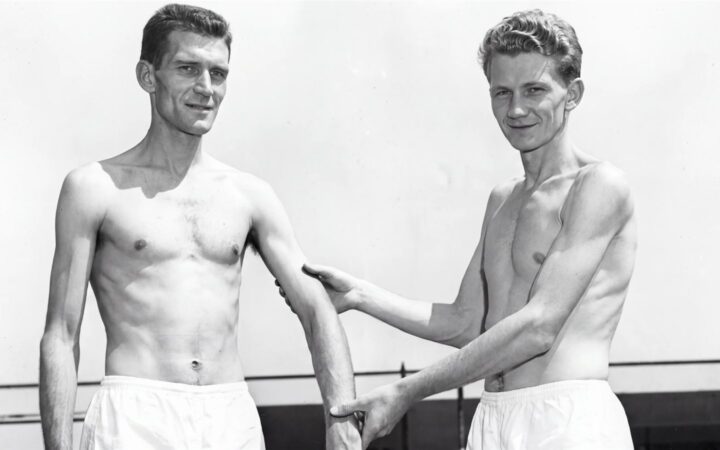
In 1944, researchers underfed healthy volunteers for six months. What happened to their bodies and minds still shapes how we think about dieting.
A classic experiment ranked 38 foods by how full they left people feeling. Here is what stood out and how to use it.
A pound or two of daily swing is normal and mostly water. Why it happens and how to read the scale by the trend.