Frozen, Canned or Fresh: Which Vegetables Are Better?
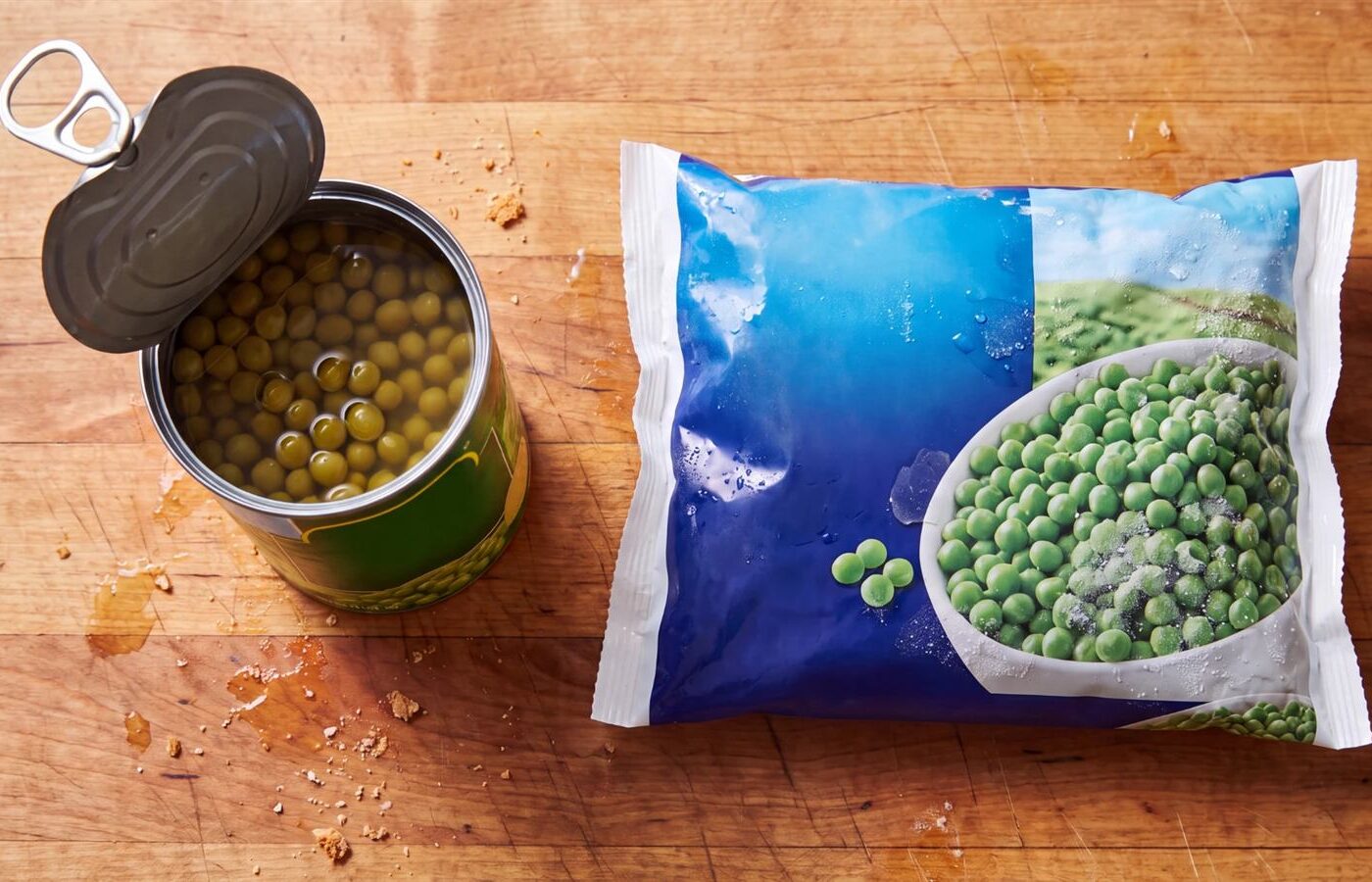
Many of us were taught that fresh vegetables are best and that frozen and canned ones are second-rate. It turns out the picture is more balanced, and more encouraging if you are watching your budget or your time. This guide looks at what studies have found about frozen, canned and fresh produce, and how to pick whichever works for you. It is general education, not medical advice.
Fresh is not always fresher than you think
The word “fresh” covers a lot. A vegetable may travel for days or weeks, sit in a store, then sit in your fridge, and every day it can lose some of its vitamins. Frozen vegetables are usually picked at peak ripeness, blanched briefly and frozen within hours. A two-part review published in the Journal of the Science of Food and Agriculture in 2007 concluded that nutrient loss in fresh produce during storage and cooking may be more substantial than commonly assumed.
What studies have found
- Frozen can match fresh. The review found that frozen produce often keeps nutrients well, and in some comparisons frozen broccoli and green beans retained more vitamin C after a year than fresh versions stored for several days.
- Canned holds up, too. Heat in canning can reduce some water-soluble vitamins, but they then stay fairly stable. Some nutrients, such as lycopene in tomatoes, become easier to absorb after cooking.
- Nutrient scores were similar for vegetables. A comparison of eight vegetables and ten fruits by Michigan State University researchers found that the vegetables had similar nutrient scores whether fresh, frozen or canned.
- Cost favored frozen and canned. In that comparison, canned vegetables cost less per edible cup, and frozen and canned fruit were often cheaper than fresh as well.
Where each one shines
- Fresh: best in season and when you will eat it within a few days. Good for texture and flavor.
- Frozen: great for convenience and year-round supply. Little waste, because you use what you need.
- Canned: shelf-stable and often the cheapest. Useful for beans, tomatoes and for stocking up.
Things to watch
- Salt in canned vegetables. Look for “no salt added,” or drain and rinse them.
- Sugar in canned fruit. Choose fruit packed in water or its own juice, not heavy syrup.
- Sauces and seasonings in frozen meals. Plain frozen vegetables are different from those in butter or cream sauces. Our guide to reading a nutrition label helps.
- Storage. Use fresh produce promptly, and do not keep frozen items for years.
Ways to use this
- Keep a bag of frozen vegetables on hand. They can rescue a rushed dinner.
- Add them to what you already make. Stir into soups, pasta, eggs and stir-fries.
- Mix and match. Fresh salad greens, frozen peas, canned beans and a jar of tomatoes make a decent meal.
- Do not skip vegetables because fresh ones are expensive. Our guide to fiber explains why eating more plants is worth it.
To sum up
For most people, the best vegetable is the one that you will actually eat. Fresh, frozen and canned all count, and using a mix can save money, time and waste while keeping your plate colorful.
Sources
- Rickman JC, Barrett DM, Bruhn CM. Nutritional comparison of fresh, frozen and canned fruits and vegetables. Part 1: Vitamins C and B and phenolic compounds. Journal of the Science of Food and Agriculture, 2007;87(6):930-944. Part 2: Vitamin A and carotenoids, vitamin E, minerals and fiber. 2007;87(7):1185-1196.
- Miller S, Knudson B. Nutrition and cost comparisons of select canned, frozen, and fresh fruits and vegetables. Michigan State University (study reported in the American Journal of Lifestyle Medicine; listings give differing dates).
Weight Wire is free to read. A free account lets you save articles and use the private journal and food lookup, which are free to use too. Create my free account

Weight Wire Editorial Team
Writer at Weight Wire.