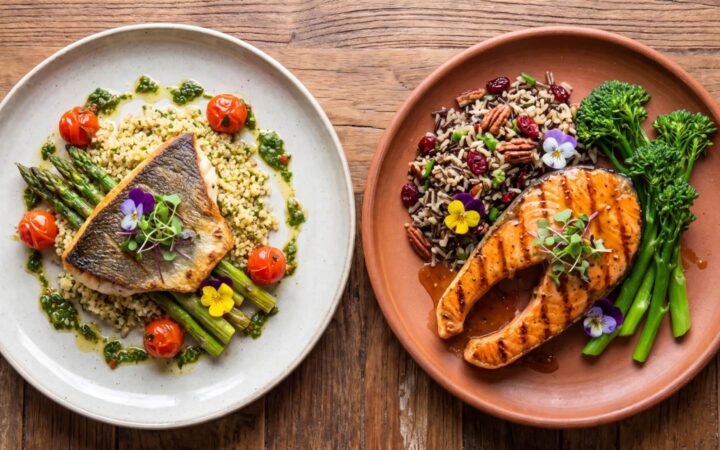
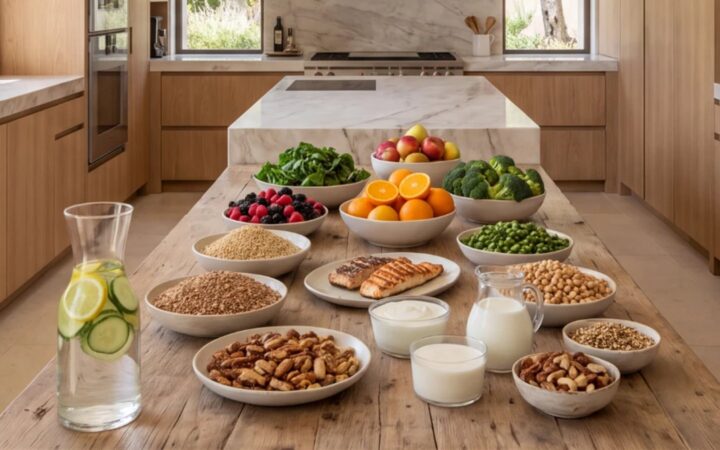
The Mediterranean Diet, Honestly: The Ups, the Downs and What to Watch For
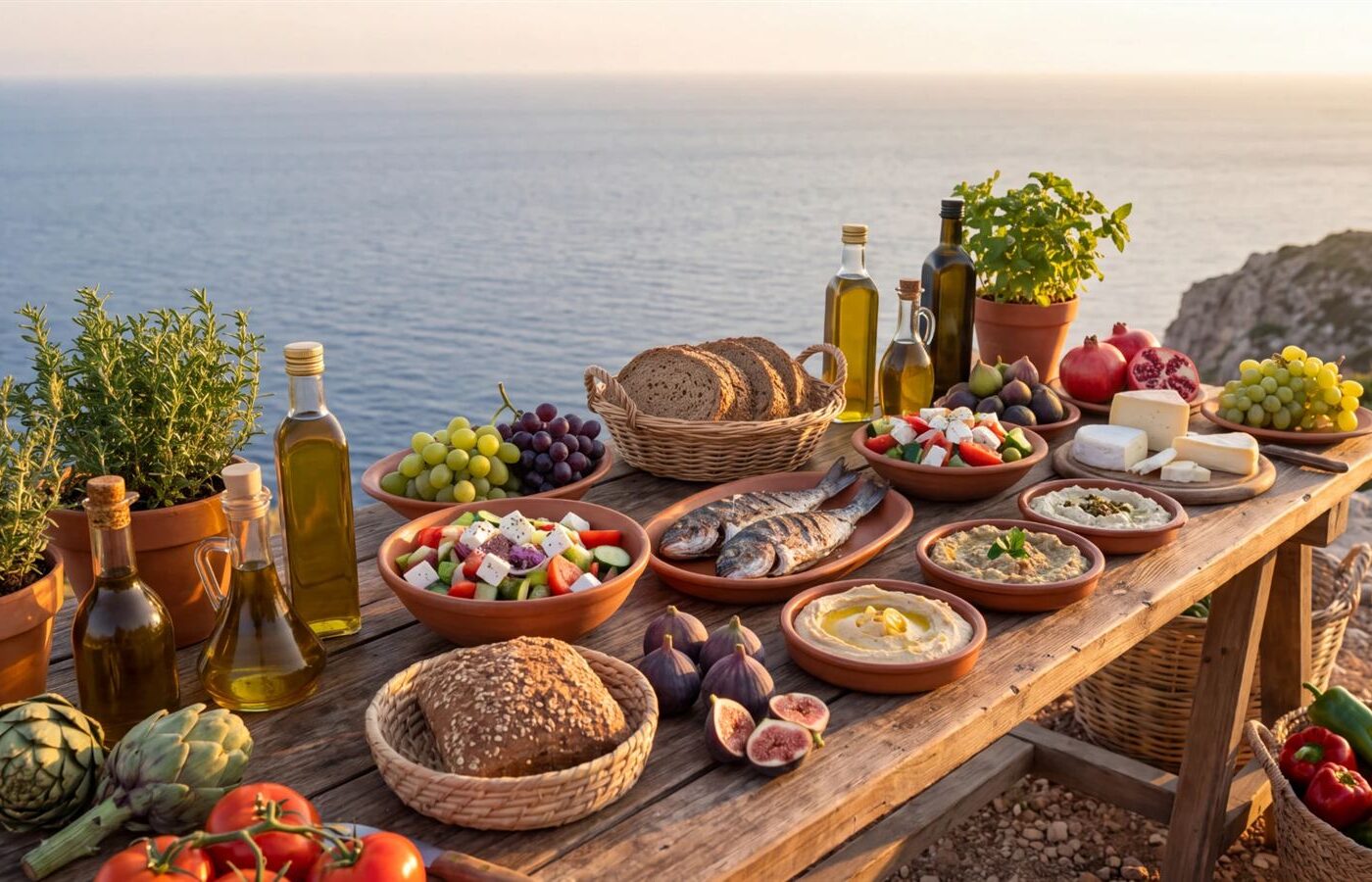
The Mediterranean diet is the one eating pattern that almost every health group agrees on. That makes it a good place to end our food series, which has also covered keto, vegetarian and vegan eating and carnivore. Here is the honest version: what it is, where the evidence is strong, and where it is not.
What it is
It is based on the traditional eating of countries around the Mediterranean Sea: lots of vegetables, fruit, whole grains, beans and lentils, nuts and seeds, with olive oil as the main fat. Fish and seafood are eaten regularly, poultry, eggs and dairy in smaller amounts, and red meat and sweets only occasionally. There are no calorie counts or banned foods, just a pattern.
The best evidence: heart health
The key trial is PREDIMED, which enrolled 7,447 people in Spain at high risk of heart disease. They were assigned either a Mediterranean diet with extra olive oil, a Mediterranean diet with mixed nuts, or a reduced-fat diet. After a median of about 4.8 years, the two Mediterranean groups had roughly 30% fewer heart attacks, strokes and cardiovascular deaths than the reduced-fat group.
One honest caveat: the original 2013 paper was withdrawn after investigators found problems with how some participants were randomized. The researchers reanalyzed the data and republished it in 2018 with similar results. The finding has held up, but it is a reminder that no single study is the last word.
What about weight?
A meta-analysis of 16 randomized trials with 3,436 people found that Mediterranean diets led to about 1.75 kg (roughly 4 pounds) more weight loss than comparison diets. The difference was bigger when the diet was combined with calorie reduction (about 3.9 kg), or physical activity (about 4 kg), or lasted more than six months (about 2.7 kg). In other words, it helps, but it is not a weight-loss method by itself.
The ups
- Flexible and familiar, with no forbidden foods.
- High in fiber, which fits our guide on fiber.
- Strong heart-health evidence for a diet pattern.
- Works with other needs, including a smaller appetite, as in our balanced plate guide.
The downs and what to watch
- Olive oil and nuts are healthy, and still calorie-dense. A generous pour adds up quickly if weight loss is a goal.
- Wine is optional, not a recommendation. Health agencies do not advise starting to drink for health reasons.
- Cost and access. Fresh fish and good olive oil can be expensive. Canned fish, frozen vegetables and dried beans keep it affordable.
- “Mediterranean” on a package means little. Check labels, because the name is used on processed foods.
- Allergies and medical conditions. Nut or fish allergies, kidney disease and medications such as blood thinners may call for changes. Ask your clinician.
Easy ways to eat this way
- Cook with olive oil in place of butter where you can.
- Add a bean, lentil or chickpea dish a few times a week.
- Eat fish twice a week, and canned counts.
- Choose whole grains and fruit for snacks and dessert.
- Keep red meat for occasional meals.
The short version
The Mediterranean diet has the strongest case of the patterns we have covered, mainly for heart health, and a modest, real effect on weight. It works best as a way of eating you can keep for years.
Sources
- Estruch R, et al. Primary prevention of cardiovascular disease with a Mediterranean diet supplemented with extra-virgin olive oil or nuts (PREDIMED, republished). New England Journal of Medicine, 2018.
- Esposito K, Kastorini CM, Panagiotakos DB, Giugliano D. Mediterranean diet and weight loss: meta-analysis of randomized controlled trials. Metabolic Syndrome and Related Disorders, 2011.
- Harvard T.H. Chan School of Public Health, The Nutrition Source: PREDIMED retraction and republication (2018).
- American College of Cardiology summary of the republished PREDIMED results (2018).
Weight Wire is free to read. A free account lets you save articles and use the private journal and food lookup, which are free to use too. Create my free account

Weight Wire Editorial Team
Writer at Weight Wire.