A Short Walk After Meals: Is It Worth It?
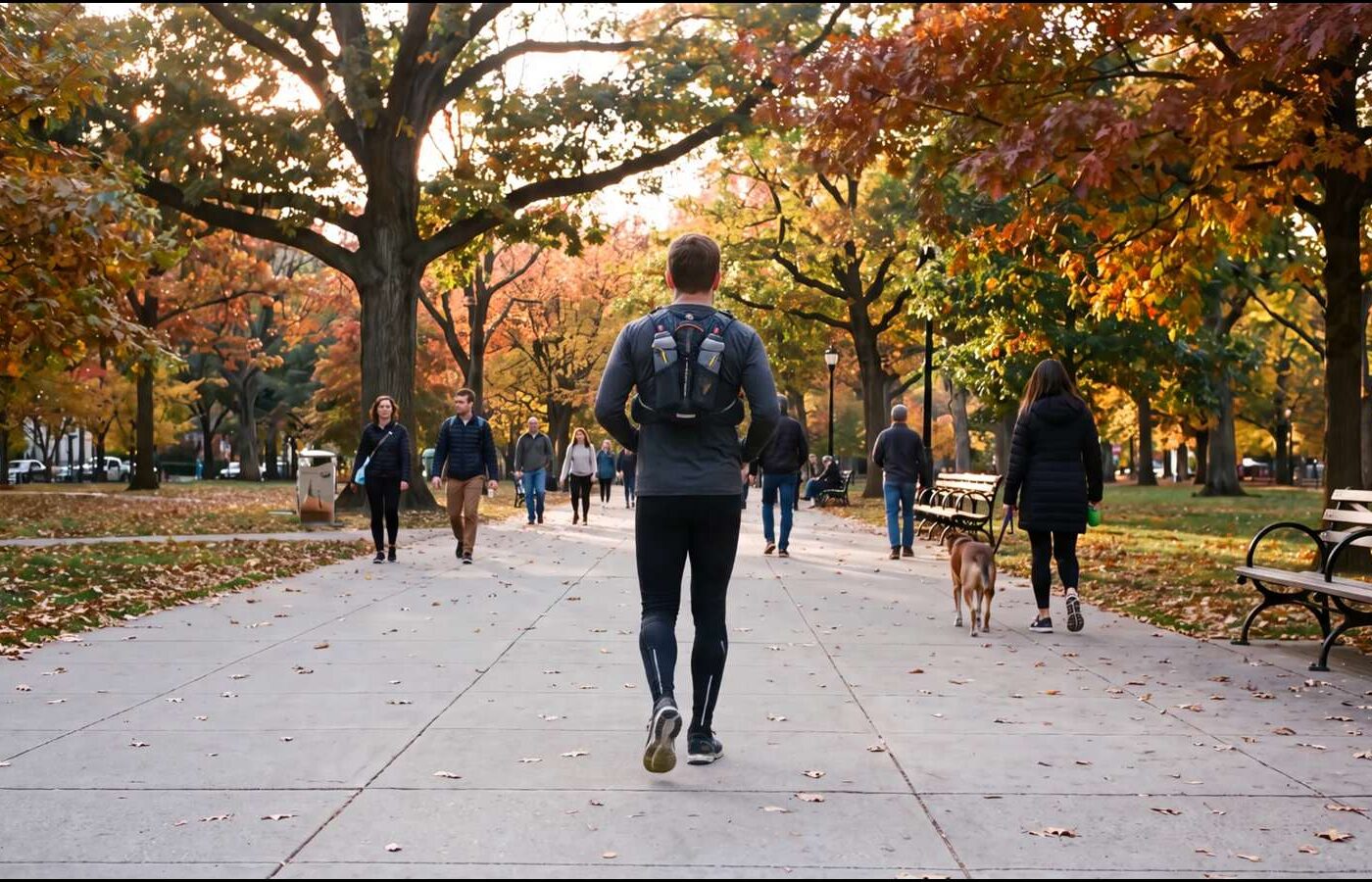
“Take a walk after dinner” is advice many of us have heard from grandparents. It turns out that researchers have tested the idea, and short bouts of light movement do seem to blunt the rise in blood sugar that follows a meal. Here is what the trials actually measured, which is a little different from the headlines. This is general education, not medical advice.
What happens after you eat
After a meal, blood glucose and insulin rise as food is digested. That is normal. But large, frequent spikes are something researchers and clinicians pay attention to, especially for people at risk of type 2 diabetes. Muscles take up glucose when they are active, so movement can change the shape of that rise.
Seven small trials
In 2022, a team led by Buffey published a systematic review and meta-analysis in Sports Medicine. They pooled seven randomized crossover trials in adults, most of whom had overweight or obesity. In these trials people spent a day sitting, a day with regular standing breaks, and a day with regular light walking breaks.
- Walking breaks lowered blood sugar. Compared with sitting all day, light walking breaks significantly reduced the glucose and insulin rise after meals.
- Standing helped, but less. Standing breaks lowered glucose compared with sitting, though walking did better.
- Short and frequent. The breaks were typically two to five minutes, taken every 20 to 30 minutes across the day.
What it does not show
- It is not a single post-dinner walk. Some coverage framed it that way, but the trials tested repeated breaks through the day.
- The effects were small. The differences were meaningful in the short term but modest in size.
- It was one day at a time. The trials measured acute effects, not long-term health outcomes.
- Only seven studies. The number is small, and the walking speed and settings varied.
Easy ways to try it
- Walk for a few minutes after meals. Even a lap around the house or a stroll to the mailbox counts.
- Break up long sitting. Set a reminder to get up every half hour or so. See treadmill desks for a more extreme version.
- Stack it with habits. Take calls on your feet, or pace while the kettle boils. It is the same spirit as exercise snacks.
- Keep it light. Gentle effort is enough here, and a full stomach is not a reason to push hard.
Who should check first
If you manage diabetes, take glucose-lowering medicines, or have a heart condition, ask your care team how activity around meals fits your plan. Some people need to watch for low blood sugar with extra movement.
The larger picture
Short walks will not replace regular exercise, but they add to your daily movement, and small amounts add up. Our guide to how much walking is enough and the one on NEAT show how everyday movement contributes.
Sources
- Buffey AJ, Herring MP, Langley CK, Donnelly AE, Carson BP. The acute effects of interrupting prolonged sitting time in adults with standing and light-intensity walking on biomarkers of cardiometabolic health: a systematic review and meta-analysis. Sports Medicine, 2022;52(8):1765-1787.
Weight Wire is free to read. A free account lets you save articles and use the private journal and food lookup, which are free to use too. Create my free account

Weight Wire Editorial Team
Writer at Weight Wire.