Plate Size, Package Size and the Portion Effect
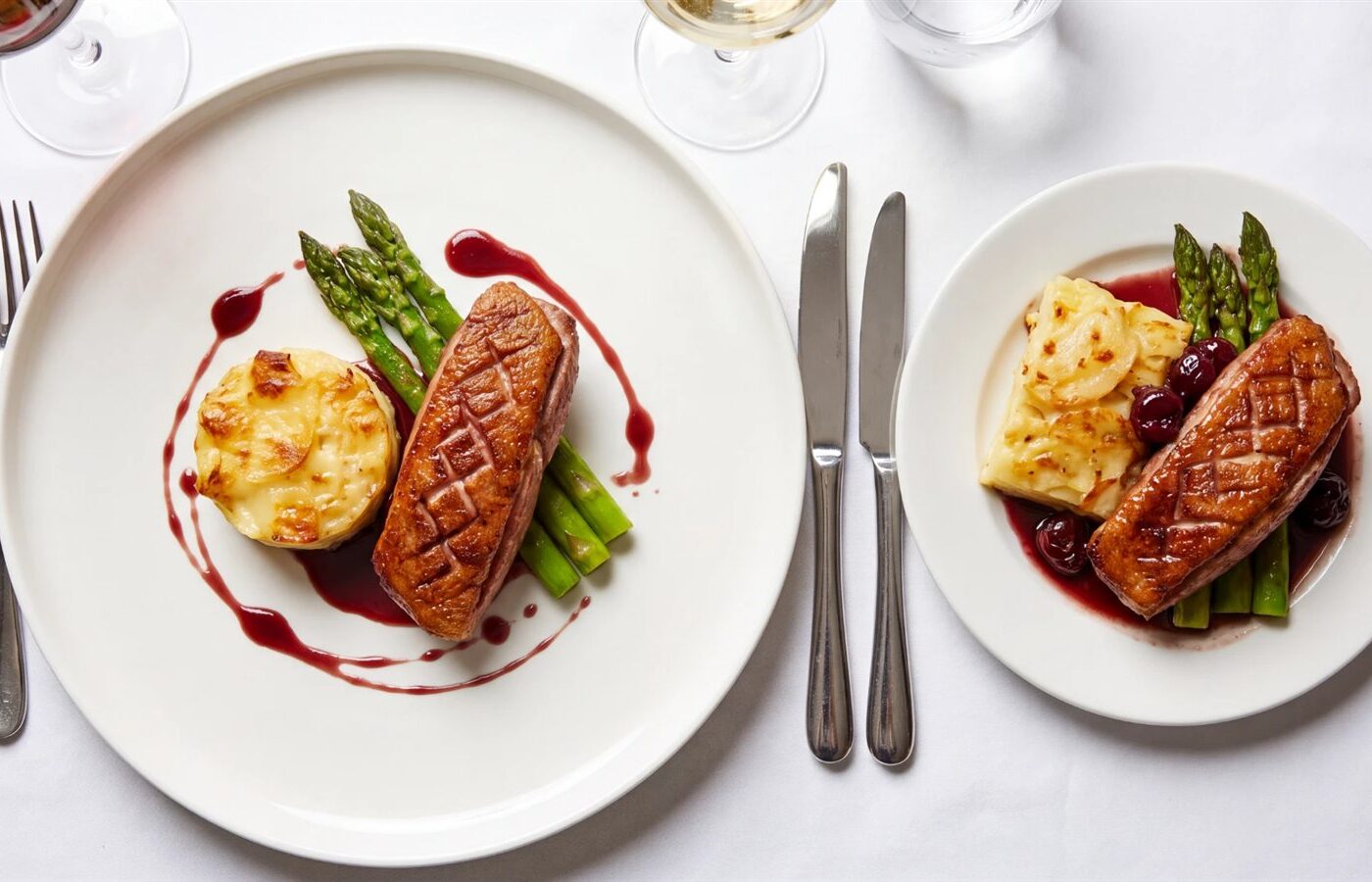
Most of us believe we eat until we are full. A large body of research suggests that the size of what is put in front of us has more influence than we realize. The good news is that it also offers some simple, low-effort ideas. This guide is general education, not medical advice.
The portion size effect
A 2015 Cochrane review by Hollands and colleagues gathered 72 studies and found that people consistently eat and drink more when they are offered larger portions, packages or tableware. For food, the pooled result came from 58 studies with 6,603 participants. The effect was small to moderate, larger in adults than in children, and the review rated the evidence as moderate in quality.
The effect also showed up in what people chose to pick up. When larger sizes were available, people chose more.
How much could it matter?
The reviewers used modeling to estimate what might happen if larger portions, packages and plates became less common. Their estimate was that daily energy intake from food could fall by about 144 to 228 calories, around 8.5% to 13.5%, for children and adults in the UK. That is a model, not a trial, but it shows how the effect can add up over a day.
Why it happens
- The portion becomes the unit. We tend to treat what is served as “one meal,” even when it is much larger than we need.
- Finishing is a habit. Many of us learned to clear the plate, regardless of hunger.
- Bigger looks normal. Plates, bowls and packages have grown over time, so a large serving can look ordinary.
Easy things to try
- Serve from the kitchen. Plate your food at the counter instead of putting serving dishes on the table.
- Use a slightly smaller plate or bowl. It is a gentle nudge, and you can always go back for more.
- Portion snacks into a bowl. Eating from the package makes it hard to see how much you have had.
- Pause halfway. A short check on hunger can show whether you want the rest. Our guide to stress eating covers noticing the difference between hunger and habit.
- Read the label serving. A package that looks like a single portion may list two or three servings; see reading a nutrition label in five minutes.
Fair limits
- It is about larger sizes. The review notes that it is not clear whether making already small portions smaller works as well as removing the largest ones.
- Most studies were short. Many measured a single meal, not weeks or months.
- Some people need more food. Athletes, people recovering from illness and people with small appetites have different needs. If your appetite is small, our guide to building a balanced plate may be a better fit.
- Do not use it to restrict. If food or eating ever feels stressful or out of control, a licensed professional can help. In the U.S. you can call or text 988 at any time.
The big picture
Portion size is one of the more reliable influences on how much we eat, and it is also one of the easiest to adjust without calorie counting or willpower. Small changes to the plate in front of you can add up.
Sources
- Hollands GJ, Shemilt I, Marteau TM, et al. Portion, package or tableware size for changing selection and consumption of food, alcohol and tobacco. Cochrane Database of Systematic Reviews, 2015;(9):CD011045.
Weight Wire is free to read. A free account lets you save articles and use the private journal and food lookup, which are free to use too. Create my free account

Weight Wire Editorial Team
Writer at Weight Wire.