Smart Rings and Wearables: How Much Can They Tell You?
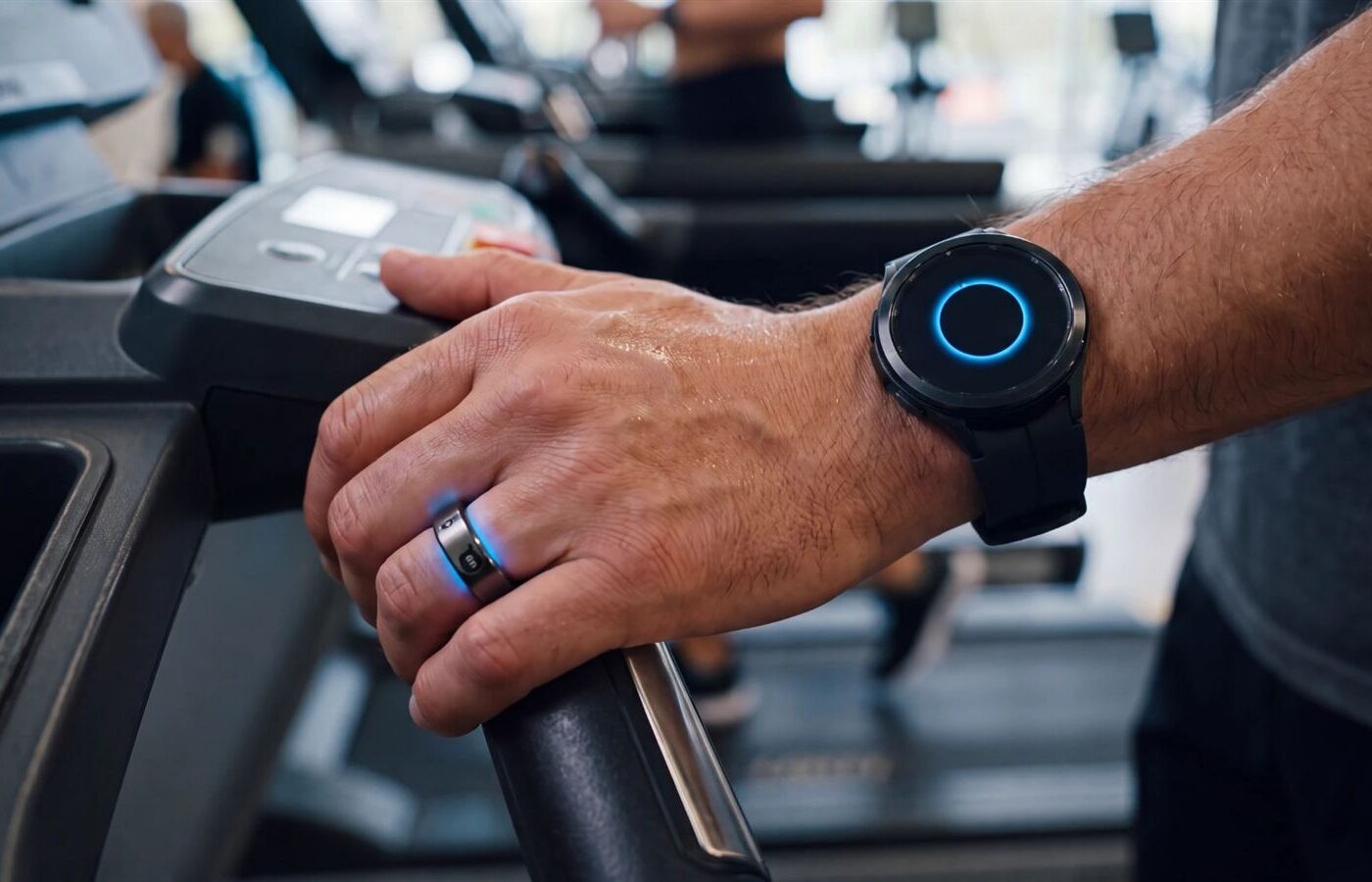
Wearables have become wonderfully normal. The American College of Sports Medicine ranks them the number one fitness trend for 2026, the third year in a row, and says nearly half of U.S. adults now own a fitness tracker or smartwatch. Smart rings are joining the crowd, too. A number on a screen is only as good as the sensor and the algorithm behind it, so let’s look at how far you can trust what your wrist or finger is telling you.
A quick scorecard
Research on consumer wearables has mostly focused on wrist-worn devices, and the picture is consistent across studies: some measurements hold up well, and others are rough estimates. Here is a simplified scorecard based on the reviews we looked at.
| What it reports | How much to trust it | What to know |
|---|---|---|
| Steps | Fairly good | Reviews find step counts are generally reasonable, though a tracker can run a little low. |
| Heart rate | Fairly good | Typically close to reference measures, often a few beats per minute off. |
| Calories burned | Treat as a rough guess | The weakest measure, and the one most likely to be off. |
| Sleep stages and “recovery” scores | Use as a nudge | These come from each company’s own algorithm and are not a medical sleep study. |
How accurate are they?
The most useful evidence comes from a 2022 systematic review and meta-analysis in JMIR mHealth and uHealth. It pooled 52 studies of Fitbit devices and compared them with reference measures. Most of the studies concluded that recent models underestimate heart rate, energy expenditure and steps. On average, the pooled results showed about 3 beats per minute low for heart rate, about 3 steps per minute low for steps, and about 2.8 kilocalories per minute low for energy expenditure. Earlier reviews reached a similar conclusion: steps and heart rate are measured accurately enough for most uses, while calorie estimates are the weak link.
Other brands show different patterns. A review of Garmin trackers, for example, found higher accuracy for steps than for distance, energy expenditure or heart rate. The takeaway is not that one brand is best, but that every device has strengths and blind spots. We do not endorse any particular brand.
What about smart rings?
Rings use many of the same types of sensors as watches, but the research we reviewed was mostly about wrist-worn devices. We did not find comparable large reviews of smart rings, so we would hold their numbers with the same healthy skepticism. A ring may be more comfortable to wear to bed, which can make sleep tracking easier, but comfort is not the same as accuracy.
How to get real value from yours
- Watch the trend, not the day. A week-over-week change in resting heart rate or step count says more than any single reading.
- Go easy on the calorie number. Eating less or exercising more to “earn” a figure on a screen is a trap, because that figure is an estimate.
- Wear it consistently and snugly. Fit and placement can affect readings.
- Use it as a prompt, not a diagnosis. Most consumer wearables are designed for wellness, not for diagnosing medical conditions.
- Check in with a professional if something worries you. If a reading alarms you or you feel unwell, call your doctor instead of relying on the device.
Why motivation matters most
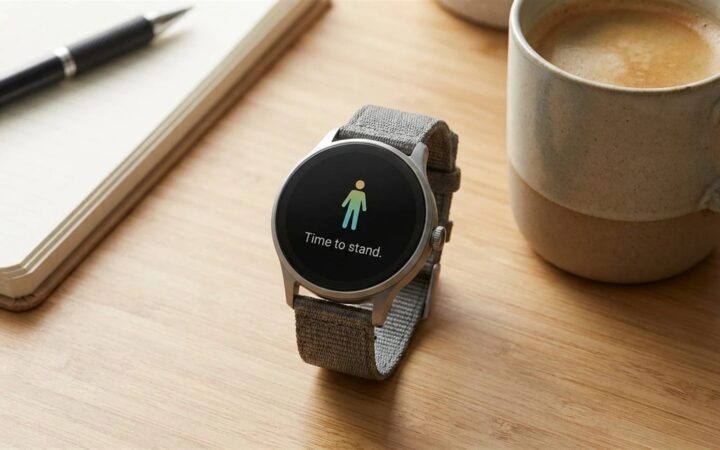
For many people, the real benefit of a wearable has little to do with accuracy. ACSM reports that over 70% of wearable users use their data to guide their exercise, and a reminder to stand up or a friendly streak can be exactly what gets someone walking. That is worth a lot! If you want to see where wearables sit among everything else shaping fitness this year, our rundown of the top fitness trends of 2026 has the full list, and our guide to building a balanced plate when your appetite is small pairs well with whatever you are tracking.
Where this leaves you
A wearable is a handy coach and a decent counter of steps and heart rate. It is not a lab. Used for trends and motivation, it can really help. Used as a precise measure of calories or health, it can mislead, so enjoy it for what it does best.
Sources
- American College of Sports Medicine. Top Fitness Trends for 2026: acsm.org
- Accuracy and precision of energy expenditure, heart rate, and steps measured by combined-sensing Fitbits against reference measures: systematic review and meta-analysis. JMIR mHealth uHealth. 2022. PMC9047731
We do not recommend or endorse any device brand. Not medical advice; see our Medical Disclaimer.
Published October 2, 2026. We update articles when new evidence or official guidance changes. If you spot an error, tell us.
Weight Wire is free to read. A free account lets you save articles and use the private journal and food lookup, which are free to use too. Create my free account

Weight Wire Editorial Team
Writer at Weight Wire.