Weighted Vests: Do They Do Anything for Bones or Weight?
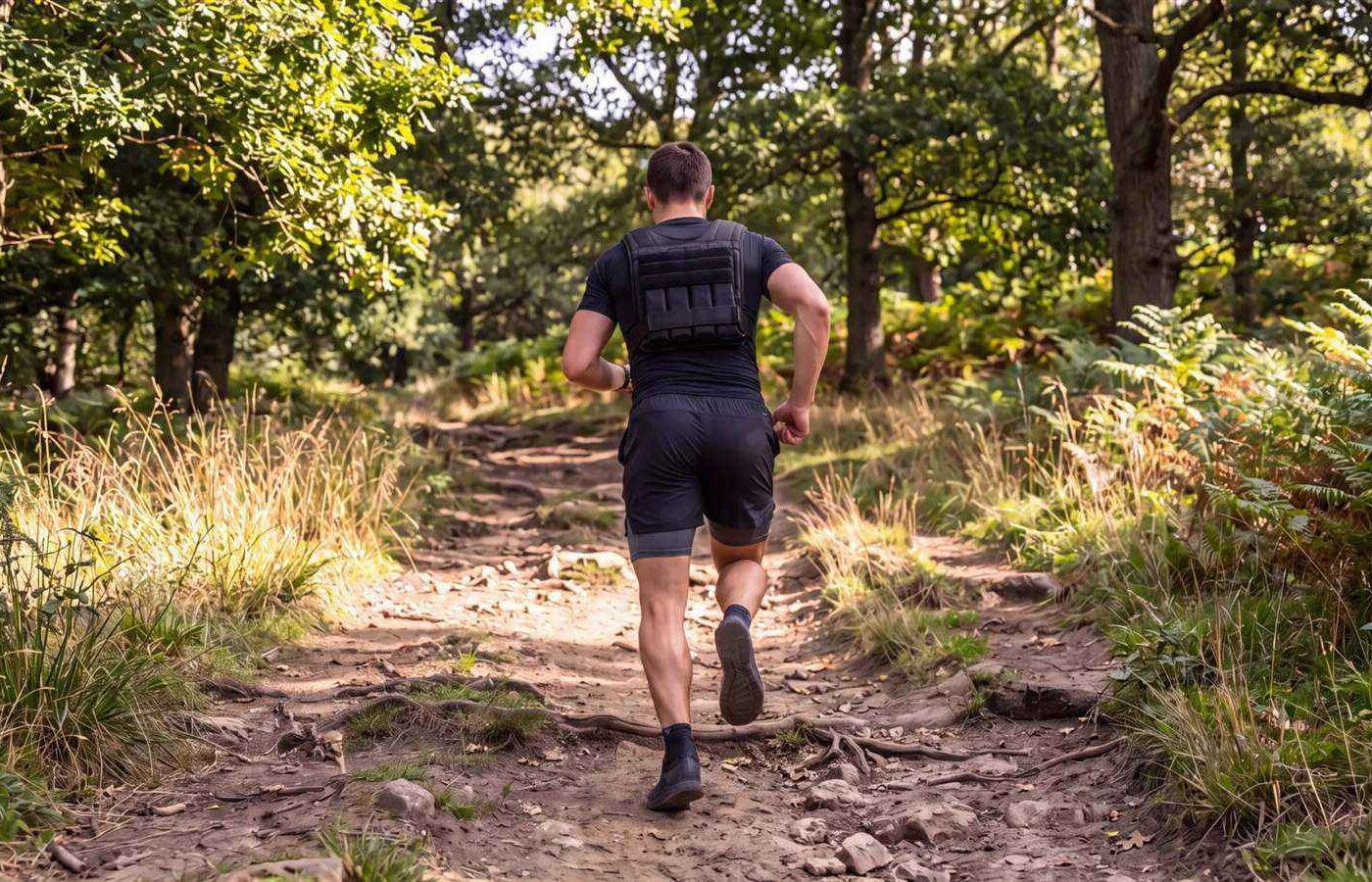
Weighted vests have gone from a niche training tool to a common sight on walking paths, and social media has turned them into a trend. The pitch is simple: add a little weight, burn a little more, protect your bones. A recent randomized trial in older adults tested part of that claim. Here is what it did and did not show. This is general education, not medical advice.
The idea behind the vest
When you lose weight, you also tend to lose some bone density, because bone responds to the load it carries. A weighted vest adds load without changing how you move, so researchers wondered whether it could help protect the skeleton during weight loss. For everyday walkers, the extra pitch is a bit more effort per step.
The trial
In 2025, researchers led by Kristen Beavers at Wake Forest published a trial in JAMA Network Open called INVEST in Bone Health. It enrolled 150 older adults with obesity, with an average age of about 66, and followed them for 12 months. They were randomly placed into one of three groups:
- weight loss alone,
- weight loss plus a weighted vest worn for about 8 hours of the active part of the day, with weight added as they lost pounds, and
- weight loss plus resistance training.
All three groups lost a similar amount of weight, roughly 9 to 11 percent of body weight.
The result
The vest did not prevent the loss of bone density at the hip. All three groups lost hip bone density at a similar rate, including the group doing resistance training. In plain terms, the vest did about what the other approaches did, which was not enough to stop the loss on its own.
A few details that matter
- It was not a typical use of a vest. The trial used a fixed, progressive routine in older adults on a diet. That differs from most people strolling in a lighter vest.
- An exploratory finding. In the vest group, people who spent more time standing or stepping tended to have better bone changes. The researchers flagged this as a hypothesis, not a confirmed effect.
- Vests may help in other ways. The trial’s lead author noted that people who like their vest need not stop using it, since it may still help with strength and everyday function. Those were not the main outcomes here.
Practical points before you try one
- Start light. A small percentage of your body weight is plenty. More is not better, and extra load can strain the back, hips and knees.
- Fit matters. It should sit snug against the torso and not bounce.
- Check with a clinician if you have osteoporosis, joint problems or balance concerns. Added weight changes how you move.
- Do not expect a shortcut. If your goal is stronger bones or muscle, resistance training has the better track record. Our guide to strength training and bone health explains why.
Where it fits
A weighted vest can make a walk a little harder and add some variety, which for some people is motivation enough. The best evidence so far says it is not a substitute for lifting weights when bone is the concern. Keep it as an optional extra to a plan built on regular movement, such as the habits in our guide to how much walking is enough.
Sources
- Beavers KM, et al. INVEST in Bone Health: effect of weighted vest use versus resistance training on bone loss during weight loss in older adults with obesity (randomized clinical trial). JAMA Network Open, 2025.
- Wake Forest University School of Medicine, news release on the INVEST in Bone Health trial, June 2025.
Weight Wire is free to read. A free account lets you save articles and use the private journal and food lookup, which are free to use too. Create my free account

Weight Wire Editorial Team
Writer at Weight Wire.