Strength Training and Bone Health: Why Lifting Helps Your Skeleton
When people think about strength training, they usually think about muscle. Your bones respond too. Bone is living tissue that adapts to the loads placed on it, and maintaining it matters more as we age, especially for women after menopause. This guide explains what a major review found about exercise and bone, and how to use it. It is general education, not medical advice.
Why bones respond to effort
Bone is constantly being broken down and rebuilt. When muscles pull on bone, and when bones take weight, the body sends signals to lay down more bone. Without that stimulus, bone tends to be lost faster, which is why bed rest and inactivity weaken the skeleton.
What the review found
A Cochrane review led by Tracey Howe and colleagues, published in 2011, pooled 43 randomized trials with more than 4,300 postmenopausal women. It looked at exercise for preventing and treating bone loss.
- Exercise slowed bone loss. On average, women who exercised lost about 1 percent less bone density in the spine than those who did not.
- Strength training helped the hip. Those who did resistance training lost on average about 1 percent less hip bone density than non-exercisers.
- Combined programs did best for the spine. Mixing exercise types was linked to about 3 percent less bone loss in the spine.
- Effects on fractures were unclear. The trials were not large enough to show clearly whether fractures fell.
Why those small numbers matter
- Bone loss compounds. After menopause, bone density tends to decline each year, so a percent or two can be meaningful over time.
- Exercise helps in other ways. Stronger muscles and better balance cut the risk of falls, which is what usually breaks a bone.
- It is not a substitute for medical care. Some people need medication or other treatment.
What kinds of exercise help bone
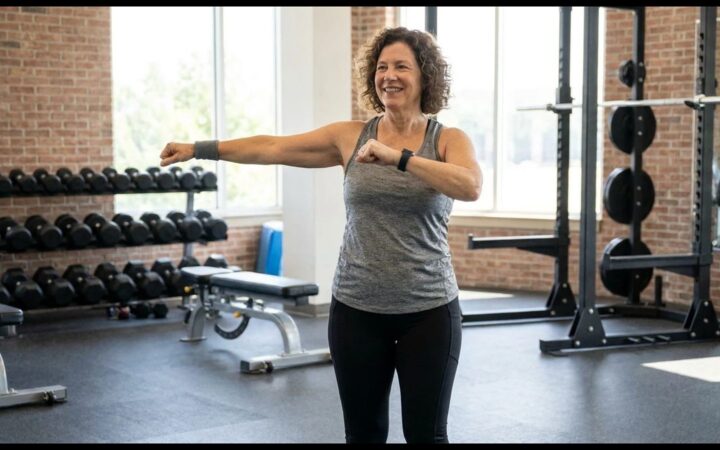
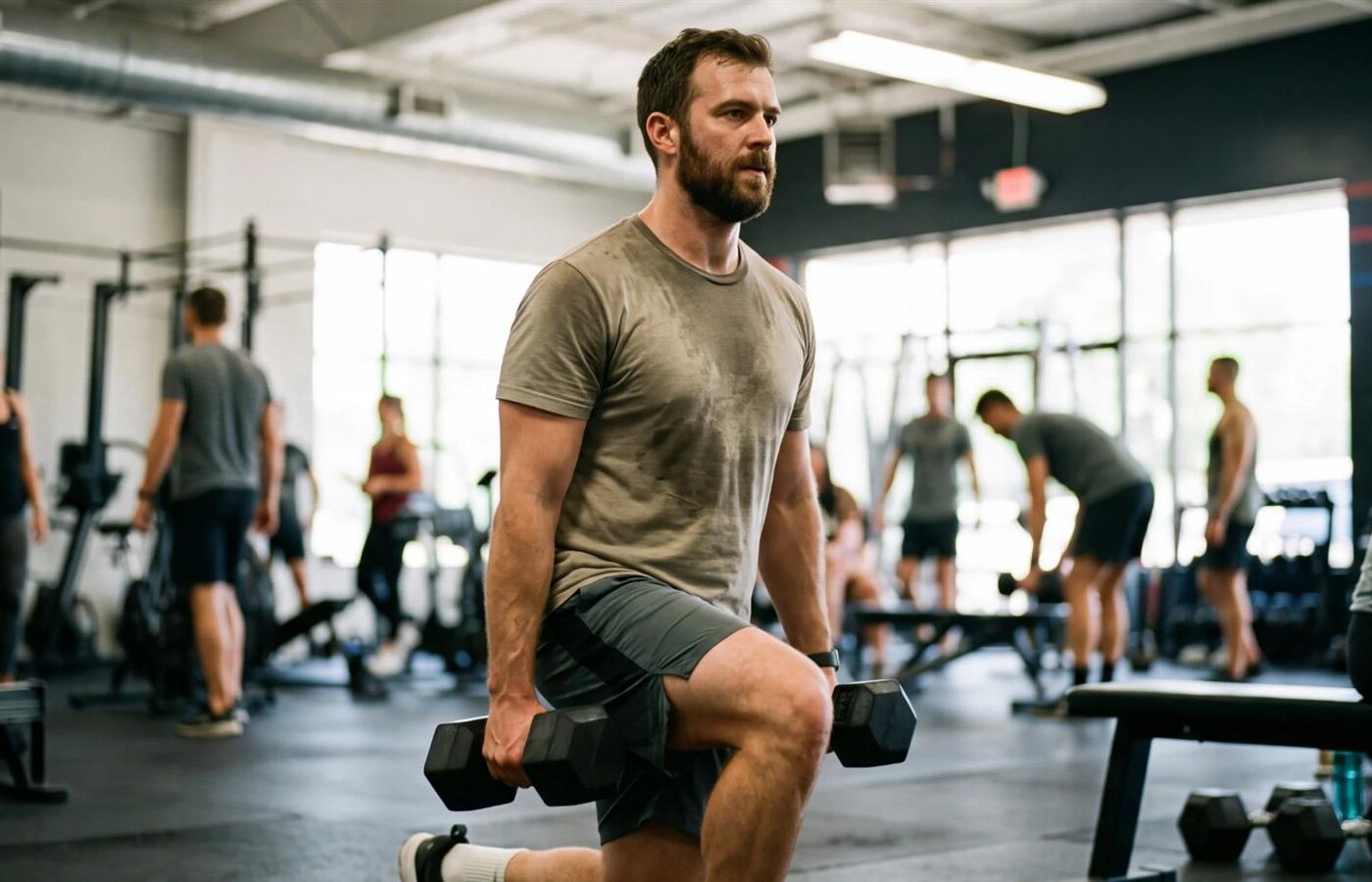
- Resistance training. Lifting weights, bands or your own bodyweight. See our beginner’s guide.
- Weight-bearing activity. Walking, hiking and stair climbing. Our guide to walking has a good starting point.
- Impact in small doses, such as gentle hops or brisk stepping, if your joints and clinician allow.
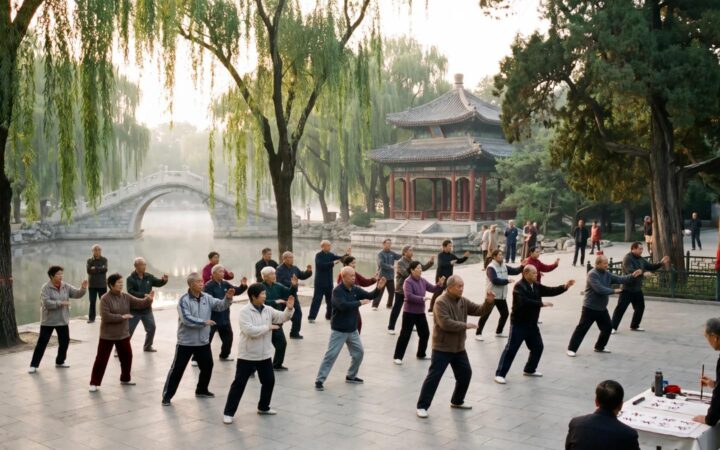
- Balance work, like standing on one leg or tai chi, to lower the chance of falling.
Swimming and cycling are good for the heart but do not load the bones much, so they work best alongside the activities above.
Practical tips
- Aim for two or three sessions a week. Our guides to how often to lift and light versus heavy weights can help you plan.
- Progress slowly. Gradually increasing the load gives bone time to respond.
- Eat enough protein, calcium and vitamin D through food, and ask a clinician whether you need anything more.
- Be careful if you already have low bone density. Ask about movements to avoid, such as forceful bending or twisting.
- Pay attention while losing weight. Weight loss can reduce bone density too, which is another reason to keep lifting, as discussed in our guide to muscle loss on GLP-1 medications.
In short
Strength and weight-bearing exercise are among the best things you can do for your skeleton, and the benefits go beyond the numbers on a bone scan. It is never too late to start, and a clinician can help you do it safely.
Sources
- Howe TE, Shea B, Dawson LJ, et al. Exercise for preventing and treating osteoporosis in postmenopausal women. Cochrane Database of Systematic Reviews, 2011;(7):CD000333 (a later update exists; check the Cochrane Library for current findings).
- U.S. Department of Health and Human Services. Physical Activity Guidelines for Americans, 2nd edition, 2018.
Weight Wire is free to read. A free account lets you save articles and use the private journal and food lookup, which are free to use too. Create my free account

Weight Wire Editorial Team
Writer at Weight Wire.