Light Weights or Heavy Weights? Both Can Build Muscle
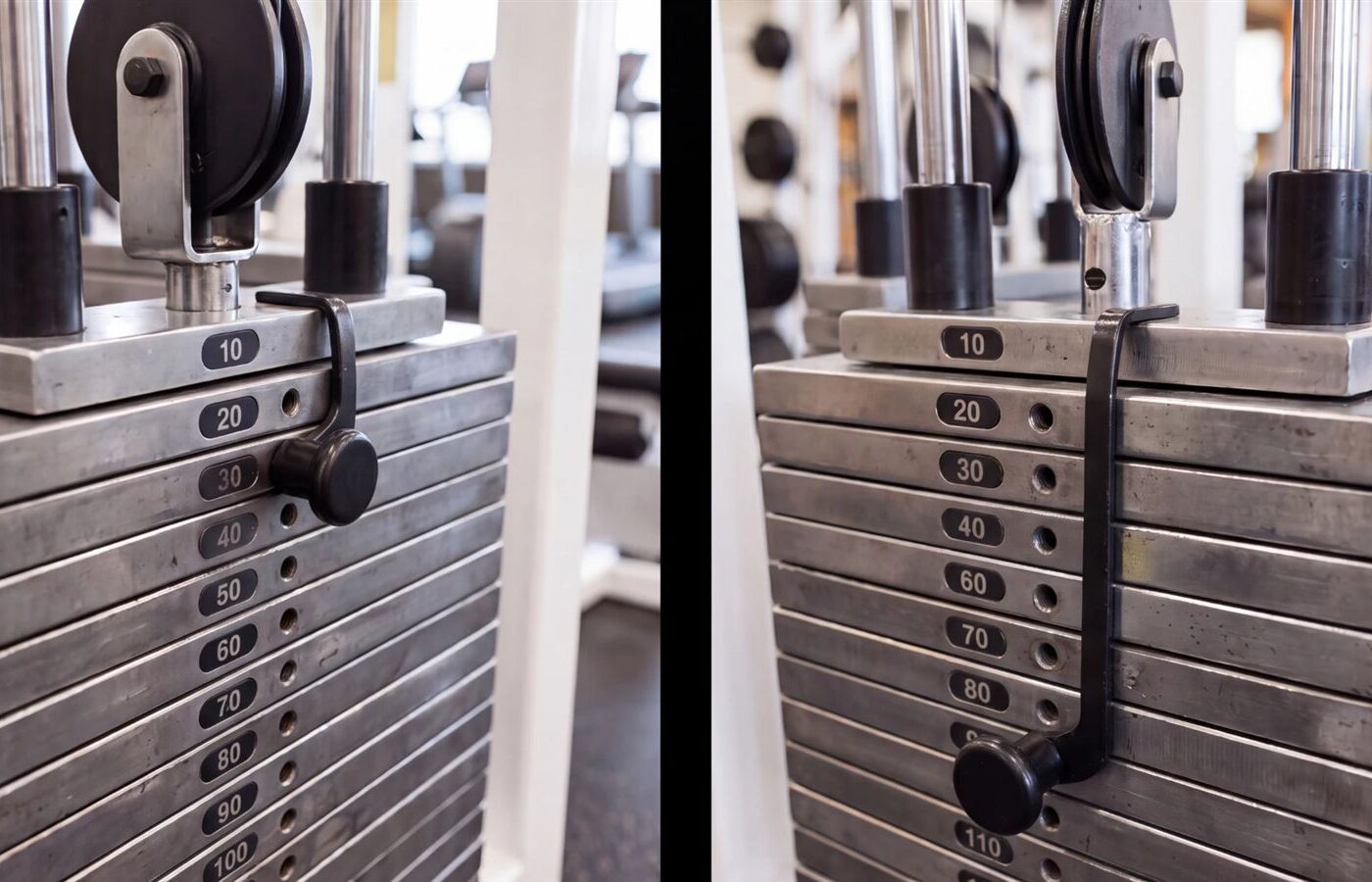
A common belief in the gym is that you must lift heavy to build muscle. Another is that light weights are only for “toning.” A review pooling many studies suggests a more flexible picture, which is good news if you prefer lighter weights, have sore joints or train at home. This guide explains what was found and how to choose your load. It is general education, not medical advice.
What the review compared
In 2017, Brad Schoenfeld and colleagues published a meta-analysis in the Journal of Strength and Conditioning Research. It pooled studies that compared training with lighter loads (about 60 percent or less of the most you could lift once) with heavier loads (above that), with sets taken close to the point where no more good repetitions were possible. The studies lasted at least six weeks.
What they found
- Muscle size grew similarly. When sets were taken close to failure, lighter and heavier loads produced similar increases in muscle size.
- Strength favored heavier loads. People training with heavier weights gained more strength, particularly in the lifts they practiced.
- Light loads took more repetitions. The lighter sets were often 20 to 30 repetitions, and were hard.
How to read it
- Effort is the key. Light weights worked when they were taken near the point of struggling. Easy sets with light weights are not the same.
- Heavier training builds strength faster, which helps if your goal is lifting more weight or doing tasks like carrying and standing up from the floor.
- The studies were mostly in young, trained men, and the evidence for others, including older adults, is smaller but points the same way.
- Few studies measured muscle tissue directly, so the size results mostly come from imaging.
Choosing your load
- If you are new, start with weights you can control for 10 to 15 repetitions. Our beginner’s guide explains the basics.
- If joints are sore, lighter loads and more repetitions are a reasonable choice.
- If you want strength, mix in some heavier sets in the 5 to 8 repetition range, with good form and a spotter or safe setup.
- If you train at home with limited weights, you can still make progress by slowing down the movement and working closer to your limit.
- Vary it. Using both can keep training interesting and covers both strength and size.
Safety
- Technique comes first. Control matters more than the number on the weight.
- Failure is not required every time. Stopping a rep or two short is safer and still effective.
- Check in with a clinician if you have heart or blood pressure issues, injuries or have been inactive for a long time.
How often to train
Whatever load you choose, twice a week for each muscle group is a good target, as we discuss in how often to lift. Strength work is especially useful when weight is changing, as covered in our guide to muscle loss on GLP-1 medications.
In short
Heavy weights are not the only way to build muscle. Lighter weights, taken close to the limit, can work just as well for size, while heavier loads win for strength. Choose what you can do safely and consistently, and the rest follows.
Sources
- Schoenfeld BJ, Grgic J, Ogborn D, Krieger JW. Strength and hypertrophy adaptations between low- vs. high-load resistance training: a systematic review and meta-analysis. Journal of Strength and Conditioning Research, 2017;31(12):3508-3523.
- U.S. Department of Health and Human Services. Physical Activity Guidelines for Americans, 2nd edition, 2018.
Weight Wire is free to read. A free account lets you save articles and use the private journal and food lookup, which are free to use too. Create my free account

Weight Wire Editorial Team
Writer at Weight Wire.