Sleep Basics: Habits That Help, According to NIH
Sleep rarely makes the top of a wellness plan, yet it affects mood, stress, appetite and energy. This guide pulls together the basics from the U.S. National Heart, Lung, and Blood Institute (NHLBI), part of the National Institutes of Health.
How much sleep is enough
NHLBI says most adults need 7 to 8 hours a day. Teens need 8 to 10, school-age children 9 to 12, and babies and young children more. Needs vary a little from person to person, but regularly getting much less than 7 hours is linked with health problems.
Why it matters
Sleep helps with learning, memory and problem solving, and it is tied to mood. NHLBI also notes that chronic lack of sleep is linked with higher risk of obesity, diabetes, cardiovascular disease and infections. In our sleep and weight guide we looked at small studies suggesting short sleep can change appetite and food choices, and our piece on stress eating covers the link to mood.
Sleep debt is real, and weekends do not fully repay it
NHLBI describes sleep debt: lose two hours a night and you have built up a 14-hour deficit in a week. The agency says naps give only short-term benefits and do not fully make up for lost night sleep, and it recommends a consistent schedule instead of catching up on weekends.
Habits NIH and NHLBI suggest
During the day
- Go to bed and wake up at about the same times every day.
- Get natural light, ideally at least 30 minutes.
- Exercise regularly, but not within a few hours of bedtime.
- Skip naps late in the afternoon.
- Limit caffeine, and avoid nicotine. Alcohol before bed can fragment sleep.
- Avoid large meals and lots of drinks late at night.
In the bedroom
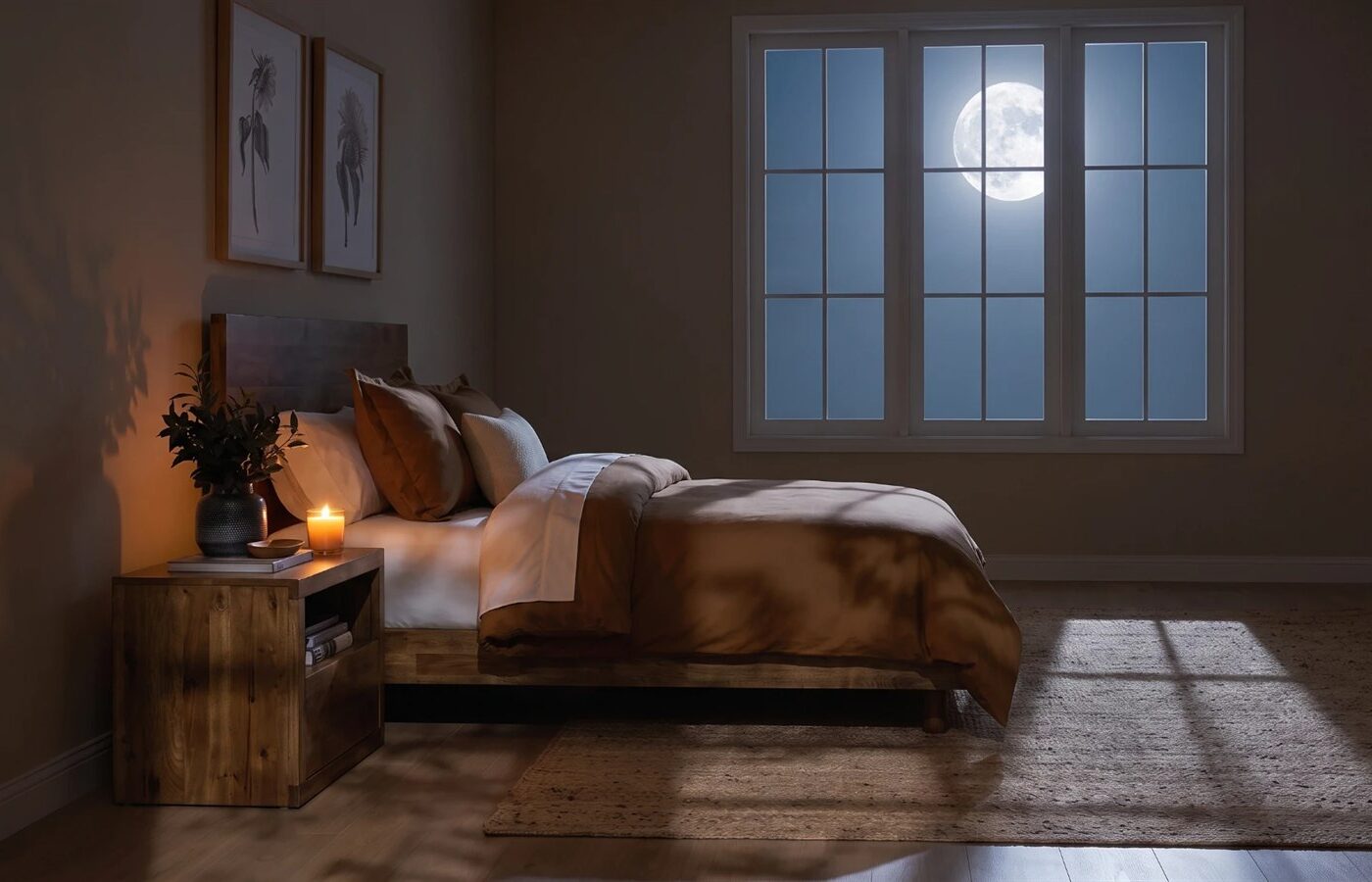
- Keep it cool, quiet and dark.
- Use a comfortable mattress and pillow.
- Reduce distractions such as TVs, bright lights and screens.
Before bed
- Wind down with something calm, such as reading or soft music.
- Try the breathing exercises some people use to relax.
A note on tracking
Wearables can show patterns in how long you sleep, but they are less reliable at naming stages. See what sleep trackers can and cannot tell you.
When to get help
Talk to a healthcare provider if you cannot get enough sleep because of a medical issue, or if you sleep 8 hours or more and still feel unrested. Loud snoring, gasping or breathing pauses can signal sleep apnea, which needs evaluation. Sleep problems are also common with anxiety and depression, and they respond to treatment.
Final thoughts
There are no hacks here, just a handful of dependable habits: a regular schedule, light in the day, a calm and dark bedroom, and limits on caffeine, alcohol and late meals. Start with one or two and give them a few weeks.
Sources
- National Heart, Lung, and Blood Institute, “How Much Sleep Is Enough?” (nhlbi.nih.gov).
- National Heart, Lung, and Blood Institute, Your Guide to Healthy Sleep (nhlbi.nih.gov).
- National Institutes of Health, news release on the Guide to Healthy Sleep (nih.gov).
Weight Wire is free to read. A free account lets you save articles and use the private journal and food lookup, which are free to use too. Create my free account

Weight Wire Editorial Team
Writer at Weight Wire.