Can a Photo Count Your Calories?
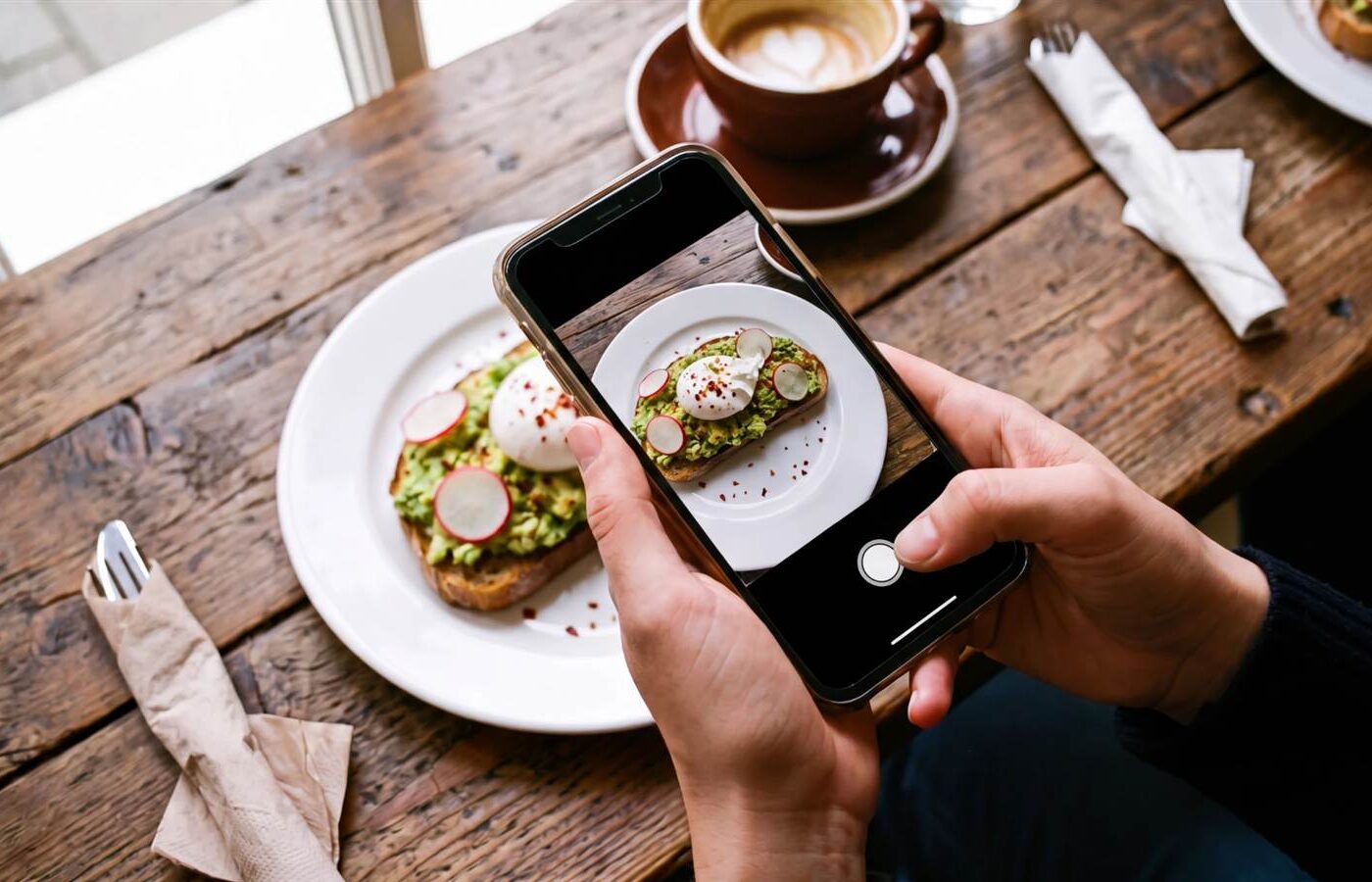
Point your phone at a plate and get a calorie count in seconds. Photo-based food logging is one of the fastest-growing features in nutrition apps, and it is easy to see the appeal. So how close do the numbers get? A large review of the research gives a helpful, honest answer, and there is plenty to feel good about. This is general education, not medical advice.
How it works
These tools use image recognition. The software identifies the foods in a picture, estimates the portion size from the image, and looks up the nutrition for those foods in a database. Each step can introduce a little error: the wrong food, the wrong portion, or a database entry that does not match what is on the plate.
How close the numbers got
In 2023, researchers led by Shonkoff published a systematic review in the journal Annals of Medicine of studies on AI-based dietary assessment from images. They screened more than 14,000 publications and kept 52 studies from 2010 to 2023.
- A very wide range. Average calorie errors ran from about 0.1 percent to about 38 percent, depending on the study, so the best results were remarkably close.
- Simple foods did best. Single, clearly visible items were estimated more accurately than mixed dishes.
- Studies could not be combined. Methods and databases were too different to produce one overall accuracy number.
- The authors’ view. AI methods showed potential to match or exceed human estimates, but they concluded the tools needed more development before being used on their own in research or clinical care. The future looks bright, and it is still being built.
Where photos struggle
- Hidden ingredients. Oils, butter, dressings and sauces add calories but are hard to see.
- Mixed dishes. Stews, casseroles and sandwiches hide what is inside.
- Portion size. A flat photo makes depth hard to judge, so a big bowl and a small bowl can look alike.
- Cultural and home-cooked foods. Databases are better at packaged and common foods than at a family recipe.
Getting more from the feature
- Treat it as a first draft. Check the foods it picked and fix any that are wrong.
- Add the invisible. If you cooked with oil or added dressing, adjust the entry.
- Use labels and lookups when you can. A barcode or a nutrition label is usually more precise than a photo. Our free Food Lookup lets you search foods and scan barcodes.
- Look at the trend. One meal can be off; a week of logging gives a rougher but more useful picture.
The wider context
Even perfect recognition would not give perfect calories, because food labels and databases are themselves estimates, and your body does not absorb every calorie in the same way. See whether you absorb all the calories you eat and how accurate calorie-tracking apps are. A food diary can still help build awareness; see why it is good to keep a food journal.
The practical view
Photo logging can lower the effort of keeping a record, and that alone may help you stick with it, which is a real win. Just hold the numbers loosely: they are a helpful estimate, not a measurement.
Sources
- Shonkoff E, Cara KC, Pei XA, et al. AI-based digital image dietary assessment methods compared to humans and ground truth: a systematic review. Annals of Medicine, 2023;55(2):2273497.
Weight Wire is free to read. A free account lets you save articles and use the private journal and food lookup, which are free to use too. Create my free account

Weight Wire Editorial Team
Writer at Weight Wire.