Cardio, Weights or Both: Which Is Better for Fat Loss?
If your goal is to lose fat, should you run, lift or do both? One well-known trial put the three options side by side for eight months. This guide walks through the results and what they mean. It is general education, not medical advice.
How it was set up
STRRIDE AT/RT, published by Willis and colleagues in 2012, studied sedentary adults with overweight or obesity (average age about 50, BMI about 30). They were randomly assigned for eight months to one of three programs:
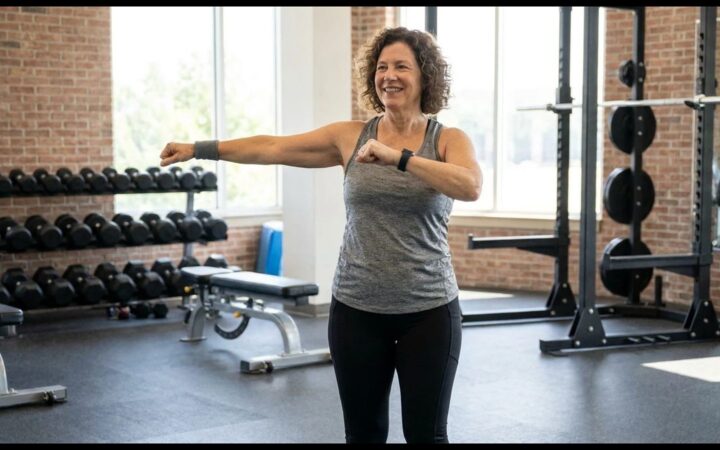
- Resistance training: three days a week, three sets of 8 to 12 repetitions.
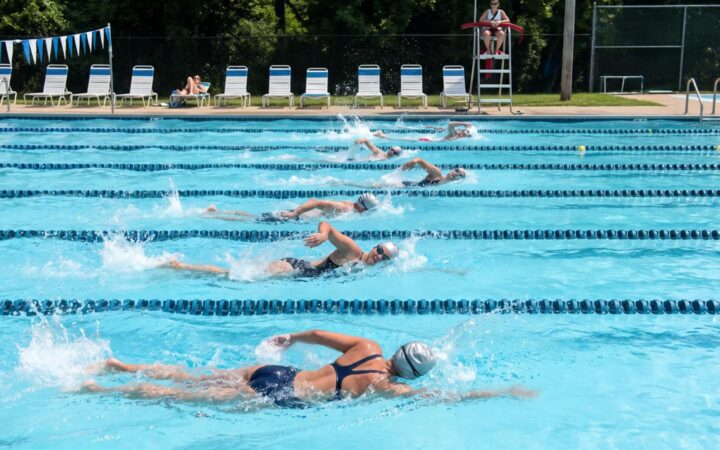
- Aerobic training: about 12 miles a week of jogging or walking at a moderate to vigorous effort (about 118 minutes a week in practice).
- Both: the two programs combined, which took roughly twice as much time.
Of the 234 people who joined, 155 finished the eight months, so about a quarter dropped out, and 119 had complete body-composition measurements.
The results
| Group | Body weight | Fat mass | Lean mass |
|---|---|---|---|
| Resistance only | +0.83 kg | -0.26 kg (not significant) | +1.09 kg |
| Aerobic only | -1.76 kg | -1.66 kg | -0.10 kg (not significant) |
| Both | -1.63 kg | -2.44 kg | +0.81 kg |
Aerobic training, alone or combined, reduced body weight and fat mass more than lifting alone. Adding lifting to the aerobic work did not significantly increase weight or fat loss compared with aerobic work alone, even though it took twice as long. But the two groups that lifted gained lean mass, while the aerobic-only group did not.
Making sense of the numbers
- For fat loss, the aerobic work did the heavy lifting. That matches the authors’ conclusion that aerobic training was the best single mode for reducing fat and body mass.
- For muscle, lifting wins. This matters more than the scale suggests: the group that only lifted did not lose weight, but it did gain lean mass and slightly improve its body fat percentage.
- Doing both gave the best overall pattern in this trial. It had the biggest drop in fat mass and the biggest drop in waist, though the authors did not find a significant difference in fat mass against aerobic work alone.
A few caveats
- The programs were not equal in time. The aerobic program was substantial (about 12 miles a week), and combining it with lifting took roughly twice as long.
- Dropout and volunteers. The analysis was not intention-to-treat, and the participants were motivated volunteers, so results may not apply to everyone.
- It was eight months, in one population. It does not show what is best for older adults, people on weight-loss medications or those with limited mobility.
- Diet was not the focus. What people ate matters a lot for weight; exercise alone usually produces modest changes in weight.
Putting it to use
U.S. guidelines recommend at least 150 minutes of moderate activity a week plus muscle-strengthening on two or more days, so you do not have to choose. If time is short, walking or other regular cardio is a good base, and two days of strength work protect and build muscle, which can matter even more during weight loss. See our guides to strength training for beginners, walking, zone 2 cardio and how much exercise for weight loss.
In short
In this trial, cardio drove fat loss and lifting built muscle, and combining them gave the best of both. The right mix for you is the one you will keep doing.
Sources
- Willis LH, Slentz CA, Bateman LA, et al. Effects of aerobic and/or resistance training on body mass and fat mass in overweight or obese adults. Journal of Applied Physiology, 2012;113(12):1831-1837.
- U.S. Department of Health and Human Services. Physical Activity Guidelines for Americans, 2nd edition, 2018.
Weight Wire is free to read. A free account lets you save articles and use the private journal and food lookup, which are free to use too. Create my free account

Weight Wire Editorial Team
Writer at Weight Wire.