Hair Shedding During Weight Loss: What Is Behind It
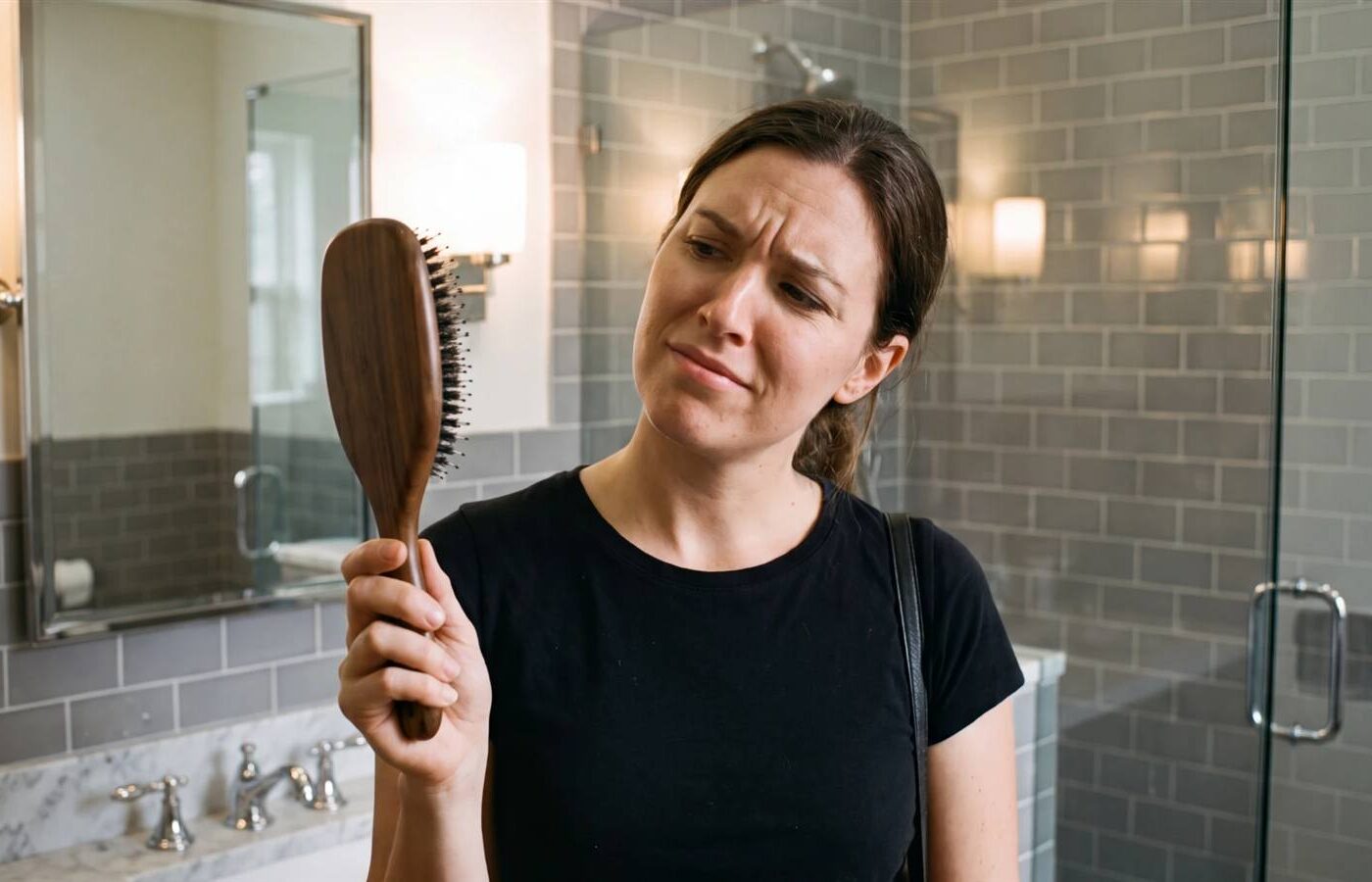
Hair shedding is one of the side effects people mention most often after losing weight quickly, and it shows up in conversations about GLP-1 medications, too. It can be alarming to see more hair in the shower drain. The good news is that the most common type is usually temporary. This guide explains what is going on, what the prescribing information says, and when it is worth asking a clinician. It is general education, not medical advice.
Hair loss in the trials
The prescribing information for the semaglutide weight-management product lists hair loss (alopecia) among adverse reactions seen in the clinical trials, noting it was associated with weight reduction. In the trials it was reported by roughly 3 percent of adults taking the weight-management dose, compared with about 1 percent of those on placebo, and it was reported more often by women than by men. Exact figures differ a little between the label, individual trial reports and products, so the current label is the place to check. Hair loss is not on the list of the most common side effects, which are digestive. Our guide to side effects in the big trials covers those.
Why rapid weight loss can make hair shed
The usual explanation is a condition called telogen effluvium. At any time, most scalp hairs are in a growing phase and a smaller share are resting before they fall out. A physical stressor, such as significant illness, surgery, a sharp drop in calories, or fast weight loss, can push more hairs into the resting phase at once. The shedding then shows up a few months later, which is why it can seem to come out of nowhere.
- It is not specific to one medicine. The same pattern is reported after bariatric surgery and very low-calorie diets, which suggests the speed of weight loss and the change in intake matter more than any one drug.
- It is usually diffuse. Hair thins across the scalp rather than falling out in patches.
- It is usually temporary. Most people see regrowth once weight loss settles and nutrition is steady, though it can take several months.
Nutrition can play a part
When appetite is small, it is easy to fall short on protein, iron, zinc or other nutrients, and shortfalls can add to shedding. This is one more reason clinicians often stress eating enough protein and varied foods during weight loss. If you are not sure whether your intake is adequate, a clinician or dietitian can look at it with you and check blood levels if needed. Our guide to muscle loss on GLP-1 medications touches on protein, too.
What may help
- Be patient. Shedding that begins a few months into weight loss often eases on its own.
- Keep eating regularly. Small, balanced meals with protein and a mix of vegetables, grains and healthy fats support the body during weight loss.
- Be gentle with your hair. Avoid tight styles and harsh treatments while it is shedding.
- Do not self-prescribe supplements. More is not always better, and some products are not well regulated. Ask a clinician first.
When to check in
Talk with a clinician if shedding is heavy and lasting, if hair falls out in patches, if there is scalp pain, itching or scaling, or if it comes with fatigue, cold intolerance or other new symptoms. Other causes, such as thyroid problems or iron deficiency, are common and treatable.
Keeping it in perspective
For most people hair shedding during weight loss is a temporary, reversible response rather than a sign of harm. It is still worth mentioning to the clinician who is following your care, especially if it is upsetting you.
Sources
- U.S. Food and Drug Administration. Prescribing information for semaglutide (chronic weight management), adverse reactions section.
- Wilding JPH, Batterham RL, Calanna S, et al. Once-weekly semaglutide in adults with overweight or obesity (STEP 1). New England Journal of Medicine, 2021;384:989-1002.
- Harrison S, Bergfeld W. Diffuse hair loss: its triggers and management. Cleveland Clinic Journal of Medicine, 2009;76(6):361-367.
Weight Wire is free to read. A free account lets you save articles and use the private journal and food lookup, which are free to use too. Create my free account

Weight Wire Editorial Team
Writer at Weight Wire.