Weight Stigma: How It Affects Health
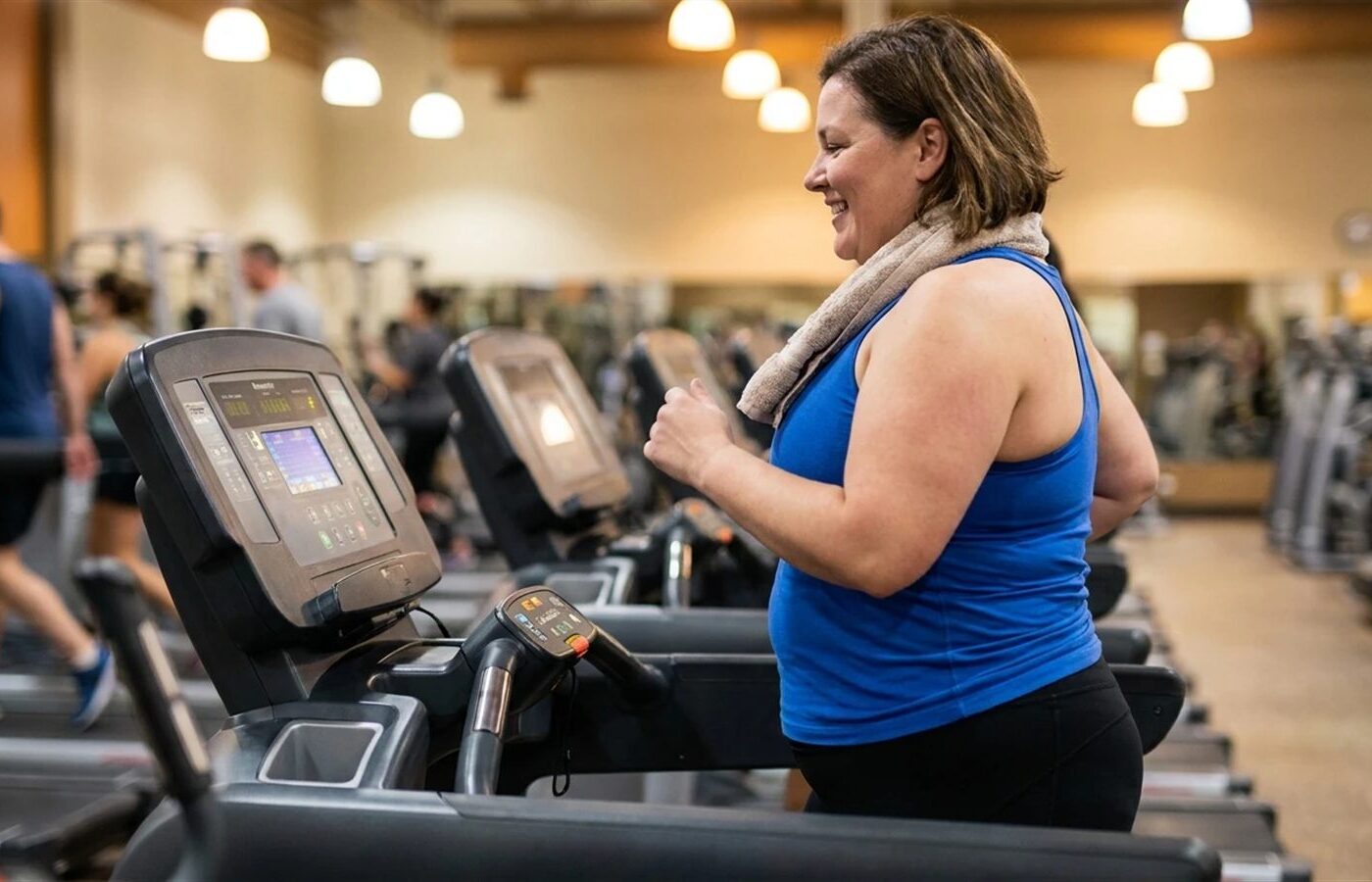
Most people trying to manage their weight have heard a version of the idea that a little shame might motivate them. The research points the other way. This guide looks at what scientists have found about weight stigma and health, in a spirit of respect for people in every body. It is educational only, not therapy and not medical advice.
What weight stigma is
Weight stigma means negative attitudes, stereotypes or unfair treatment directed at people because of their body size. It can show up in jobs, school, healthcare, the media and everyday comments, including from family and friends, and sometimes in how people talk to themselves.
How stigma shapes health
In 2010 Rebecca Puhl and Chelsea Heuer reviewed the evidence in the American Journal of Public Health. They found that weight stigma and discrimination are widespread and are linked to harms for both mental and physical health. They also challenged the common assumption that shaming motivates healthier behavior. In the studies they reviewed, stigma was more often associated with the opposite: more unhealthy eating behaviors and less physical activity.
A decade later, a large international group of experts published a joint consensus statement in Nature Medicine (Rubino and colleagues, 2020). Using a structured process to reach agreement, they concluded that people with obesity commonly face a persistent form of social stigma, including in workplaces, schools and healthcare, and that this stigma can cause physical and psychological harm. They also noted that people who experience it are less likely to get adequate care, and said that weight stigma damages health and is unacceptable.
How it can affect care
- Delayed or avoided visits. Some people put off appointments because they expect to be judged.
- Missed diagnoses. When every symptom is attributed to weight, other causes can be overlooked.
- Less trust. A dismissive visit can make it harder to come back or to follow a plan.
What it can do to everyday life
The research links stigma with stress, low mood and avoidance of activity, such as skipping the gym or a walk because of how it feels to be watched. Stress itself can affect eating and sleep, which is one reason why weight stigma and weight can reinforce each other in a cycle. Our guide to stress eating explains part of that cycle.
What helps
- Look for respectful care. It is reasonable to ask a clinician to talk about your health, not only your weight, and to switch providers if you are not heard.
- Notice your own self-talk. Harsh inner criticism is a form of stigma too, and it rarely leads to lasting change.
- Focus on what you can do. Sleep, movement you enjoy, connection and food that feels good are all worth pursuing for their own sake.
- Choose your media and your company. Spaces that treat people with dignity make sustained change easier.
- Use neutral language. Describing a medical condition without shame, for example “people with obesity” rather than a label, is part of the consensus statement’s recommendations.
This is not a case against caring about health
Pointing out that stigma harms does not mean weight is irrelevant to health, or that people should not seek support. It means the way we talk about weight matters, and that respect is a better starting point than shame. Many of the changes people choose, from a steady walking routine to better sleep, can improve how they feel at any size.
Putting it together
The best available evidence says weight stigma is common, harmful and not an effective motivator. You deserve respectful care and kind self-talk whatever your size, and neither stands in the way of making changes you choose.
Sources
- Rubino F, et al. Joint international consensus statement for ending stigma of obesity. Nature Medicine, 2020.
- Puhl RM, Heuer CA. Obesity stigma: important considerations for public health. American Journal of Public Health, 2010.
Weight Wire is free to read. A free account lets you save articles and use the private journal and food lookup, which are free to use too. Create my free account

Weight Wire Editorial Team
Writer at Weight Wire.